Gifts for the Couple Who Have Everything
Stop buying things, start buying experiences, consumables and meaning: a tasting menu, a case of wine to open over years, or a donation in their names. If they've said 'no gifts', give something that can't be re-gifted — your time or a heartfelt letter.
Older couples, second marriages and long-established households present the same delightful problem: they already own the toaster, the good knives, the dinner service and the stand mixer. Buying them another thing just means finding it a shelf. The answer is to change category entirely — to stop giving objects and start giving experiences, consumables and meaning, none of which take up cupboard space and all of which a couple with everything genuinely lacks. What people who own it all are actually short on is time, novelty and the excuse to indulge, and that's exactly what you can give them.
Below are the approaches that work, from experiences and edibles to the genuinely sentimental — plus what to do when the couple have firmly said 'no gifts.'
Experiences that become memories
The couple who has everything usually has everything except a reason to stop and enjoy it. An experience is the most reliably welcome gift here, because it can't be duplicated and it doesn't need storing.
- An experience they'd never book themselves — a tasting menu, a hot-air-balloon flight, a night in a design hotel — the memory outlasts any object, and the indulgence is exactly what they'd never justify buying alone.
- A cooking class or wine course together — a shared afternoon that plays to the interests of a couple who already have the kitchen for it; they'll cook from it for years.
- A weekend away or a hotel night — even one well-chosen night somewhere lovely beats anything wrapped — for an established couple, time together is the scarce commodity.
- Tickets to something special — opera, a headline gig, a big match, a show they've mentioned — an evening they'll look forward to for weeks and remember for longer.
Consumables — the good stuff, not the everyday
The rule with consumables is quality over quantity: something clearly finer than they'd pour or open on a Tuesday. It gets used, it gets enjoyed, and there's nothing left to dust.
- A case of exceptional wine — a serious bottle they'd never buy by the case themselves — or arrange one a year to arrive on their anniversary, a gift that keeps turning up.
- A bottle of aged spirit — a good single malt, a vintage port or a rare gin; the sort of thing that sits proudly on the shelf and marks special evenings.
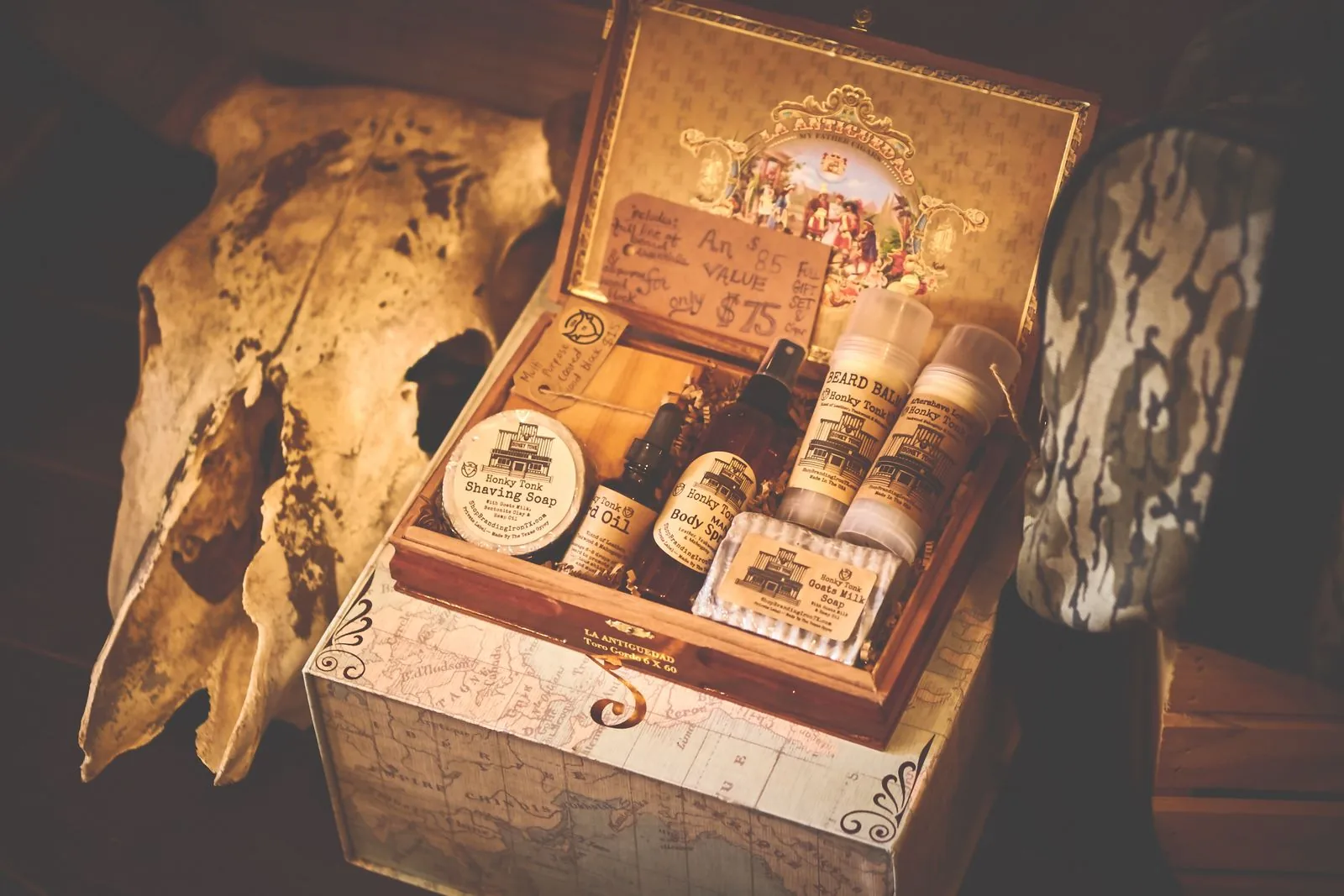
- A luxury food hamper from a real maker — artisan cheese, cured meats, oils and preserves chosen with taste — an indulgent grazing box rather than a supermarket assortment.
- A subscription with taste — a wine club, a coffee roaster, or a book-a-month from an independent shop; a gift that arrives all year and needs no shelf.
Upgrade what they already own
Here's the clever angle: a couple who has everything owns the everyday version of everything. Give them the luxury upgrade of something they already use daily, and it feels like an indulgence they'd never justify buying twice.
- A single exceptional glass or serving piece — hand-blown crystal or an artisan-made bowl — they own glassware, but not this glassware; a small object that feels like a treat.
- A luxury version of a daily ritual — a top-tier coffee grinder, a beautiful teapot, a chef-grade knife — the upgrade to something they touch every morning.
- Premium linens or a cashmere throw — the softest possible version of something ordinary; nobody buys themselves the truly nice one, which is exactly why it lands.
- A designer or artisan homeware piece — a sculptural vase, a hand-thrown platter, an object that's as much art as utility — display-worthy and unlike anything on their shelves.
Sentimental gifts money can't quite buy
When the couple can buy anything, the one thing they can't buy is your effort and your memory of them. Personal, made-once gifts sidestep the whole problem of 'they already have it.'
- A custom photo book of your years together — a bound record of the friendship or the family — impossible to duplicate and impossible not to keep.
- A commissioned illustration or portrait — a tasteful line-drawing of their home, their pet or the couple; a one-of-a-kind piece they didn't know they wanted.
- A donation in their names — graceful and generous for couples who've asked for 'no gifts' — give to a cause that means something to them and send a card to say so.
- A framed handwritten letter — the cheapest thing on this page and often the most treasured; words you'd struggle to say out loud, set down and kept.
How to choose for the couple who has it all
Three questions cut through the whole problem. First, what do they never buy themselves? Established couples are practical to a fault — they'll replace the dishwasher but never book the balloon flight, so buy them the indulgence they'd feel guilty about. Second, what can't be duplicated? Experiences, consumables, and made-once personal gifts are impossible to already own, which sidesteps the entire risk. Third, what fits their actual life? A wine club for the couple who love a good bottle, a hotel night for the pair who never stop working — specificity is what turns 'they have everything' from a problem into an easy brief. Avoid anything that needs storing, anything they might already own in some form, and any object bought just to have something to hand over.
When they've said 'no gifts'
Take it at face value first — a couple who has everything and asks for nothing usually means it, and steamrolling the request with an expensive object misses the point. Then, if you'd still like to mark the day, give something that can't be re-gifted or returned: your time, a heartfelt letter, a home-cooked dinner, or a quiet contribution to a shared experience they'll enjoy together. If money is genuinely welcome — as it increasingly is for established couples — our honeymoon fund guide covers how to give it gracefully, and how much to give sets sensible amounts. For a couple marking a milestone anniversary rather than a wedding, our anniversary-by-year guide offers a gentler prompt.