
How Much to Spend on a Wedding Gift in the US

Most US guests spend $75–$200, tracking how close you are to the couple, not how lavish the wedding looks. Coworker or distant friend $50–$75 · good friend $75–$100 · close friend or family $100–$200. Take the 'cover your plate' idea with a pinch of salt.
There's no law, but there is a widely understood range — and knowing it takes the anxiety out of the envelope. In the US, most guests spend between $75 and $200 on a wedding gift, with the figure tracking how close you are to the couple rather than how lavish the wedding looks or how far you had to travel. That single principle — your relationship, not their reception — settles almost every version of the question people quietly agonize over. Below is a sensible breakdown by relationship, the handful of factors that nudge the number up or down, and the one persistent myth you can safely ignore.
A sensible guide by relationship

Use this as a starting point, then adjust for your own budget. These are the ranges most US guests actually land on, and any figure within them is entirely respectable.
| Your relationship to the couple | Typical gift amount |
|---|---|
| Coworker or distant friend | $50–$75 |
| Friend or wider family | $75–$100 |
| Good friend or relative | $100–$150 |
| Close friend, sibling or family | $150–$200+ |
| As a couple or plus-one (one gift between you) | $100–$150 |
A few honest notes on the table. A coworker or distant friend at $50–$75 is perfectly correct — nobody is keeping score. A good friend sits comfortably in the $75–$100 middle. For a close friend or family member, $100–$200 is normal, and more if you can and want to. If you're attending as a couple or a plus-one, think per household: one gift of $100–$150 between the two of you is standard, not one each.
What nudges the number up or down
The relationship sets the baseline; a few practical factors move it within the range. None of these are rules, just the considerations most thoughtful guests weigh.
- How close you actually are — emotional closeness beats formal relation every time — a beloved friend can warrant more than a cousin you rarely see.
- Your own budget, honestly — give generously within your means and no further; a gift given warmly at $60 is worth more than a resented $150.
- Whether you're in the wedding party — bridesmaids and groomsmen already spend heavily on attire, showers and travel, so a smaller gift is completely understood.
- Group gifting — clubbing together with others for one larger registry item is a smart way to give something significant without overspending alone.
What should not move the number is how expensive the wedding looks. A lavish venue reflects the couple's choices and budget, not an invoice you're expected to help settle. And if you can't attend, a smaller gift — or a warm card and a modest something — is entirely appropriate; you're marking the occasion, not paying for a seat you're not using.
A note on regional and family norms
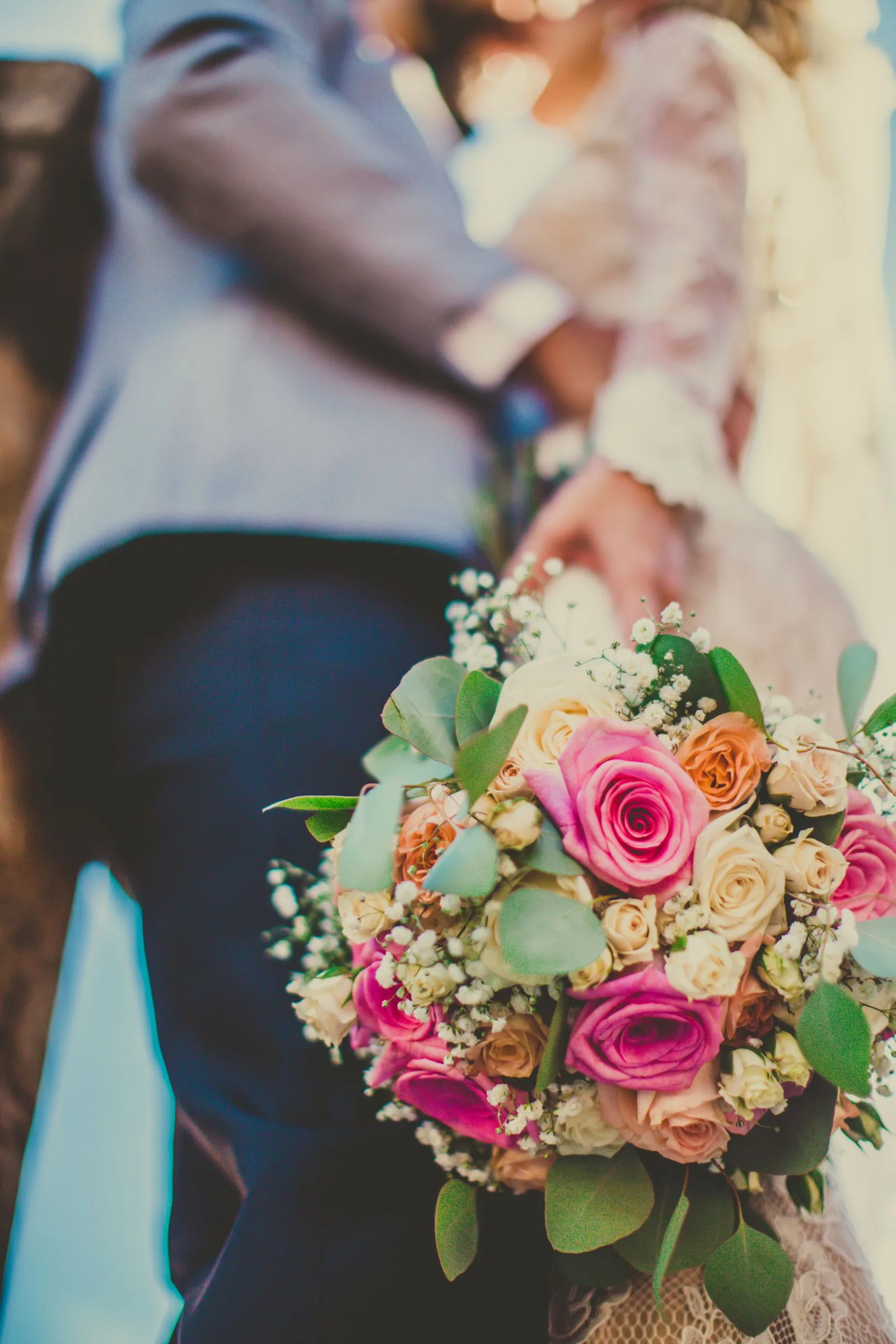
The ranges above hold across most of the US, but it's worth knowing that local and family customs can nudge them. In and around big, high-cost cities — New York, San Francisco, Boston — cash gifts and the going rate both tend to run higher, simply because the cost of everything there is higher. In some families and cultural traditions, a cash gift in a card is the default and is given generously; in others, a wrapped registry gift is the norm. None of this changes the core principle — your relationship and your means set the number — but if you're unsure what's usual in a particular circle, a quiet word with someone close to the couple is the easiest way to calibrate. When in genuine doubt, aim for the middle of the relevant range and give it warmly; a gift in the normal band, offered with a heartfelt card, is never the wrong call in any region.
The 'cover your plate' myth you can ignore
You may have heard that you should 'cover the cost of your plate' — that is, spend at least what the couple paid per head on catering. It's a stubborn belief, and you can safely set it aside. You have no way of knowing what the per-head cost was, it varies wildly by city and venue, and it turns a warm gesture into a reimbursement. Your gift reflects your relationship and your means, full stop. A $75 gift given with genuine warmth is never wrong; going into debt to hit an imagined number always is. The couple invited you because they wanted you there, not to balance a spreadsheet — the surest sign of a good guest is a gift given happily and within your means, whatever the venue cost.
The situations that trip people up
A handful of specific scenarios come up again and again, and each has a settled, sensible answer. Here's how the usual sticking points actually work.
- You can't attend: a gift is still a warm gesture, but a smaller one is entirely appropriate — you're marking the occasion, not paying for a seat you won't use. A thoughtful card and a modest something is plenty.
- It's a destination wedding: your travel and accommodation are widely understood to be part of your contribution. Guests who've flown in and paid for hotels can give a smaller gift with a completely clear conscience.
- You're in the wedding party: bridesmaids and groomsmen already spend heavily on attire, showers and travel, so a smaller gift is expected and understood.
- It's a second wedding: the same relationship-based ranges apply, though gifts often skew a little smaller and more personal for an established couple who already have a home.
- There's a shower and a wedding: a shower gift is usually smaller (around $25–$50), and it doesn't replace the wedding gift — think of them as two separate, lighter gestures rather than one big one split in half.
- You're giving as a group: clubbing together for one significant registry item is smart and generous; there's no rule that each person's share must hit the solo minimum.
Gift, cash, or registry?
The same ranges apply however you give. Cash and honeymoon funds are now entirely normal and often preferred in the US — if that's what the couple have asked for, follow the request rather than second-guessing it. Wording your own honeymoon fund? See honeymoon fund wording examples. Prefer to give an object? Our under-$50 guide lands squarely in the coworker-to-friend range, our personalized gift ideas suit the closer end, and for the couple who seem to own everything already, our dedicated guide takes a different route entirely.
One last word on cash versus an object, since it's the part guests agonize over most. Neither is 'better' — the right choice is simply whichever the couple have signaled they'd prefer. If there's a honeymoon fund or a cash registry, that request is the answer; follow it rather than second-guessing with a gift you've picked yourself. If there's a traditional registry, buying from it is the safest, most appreciated route, because it's a list of things they've actually chosen. Only go fully off-list with an object when you know the couple's taste well enough to be confident. And wherever you land, tuck in a handwritten card: for many couples it's the line they keep long after the gift itself has blended into the home. Get the relationship right, give within your means, and follow the couple's lead on cash versus gift, and you've done everything a wedding gift is meant to do — no envelope anxiety required.