The Best Online Wedding Invitations in the US, Compared
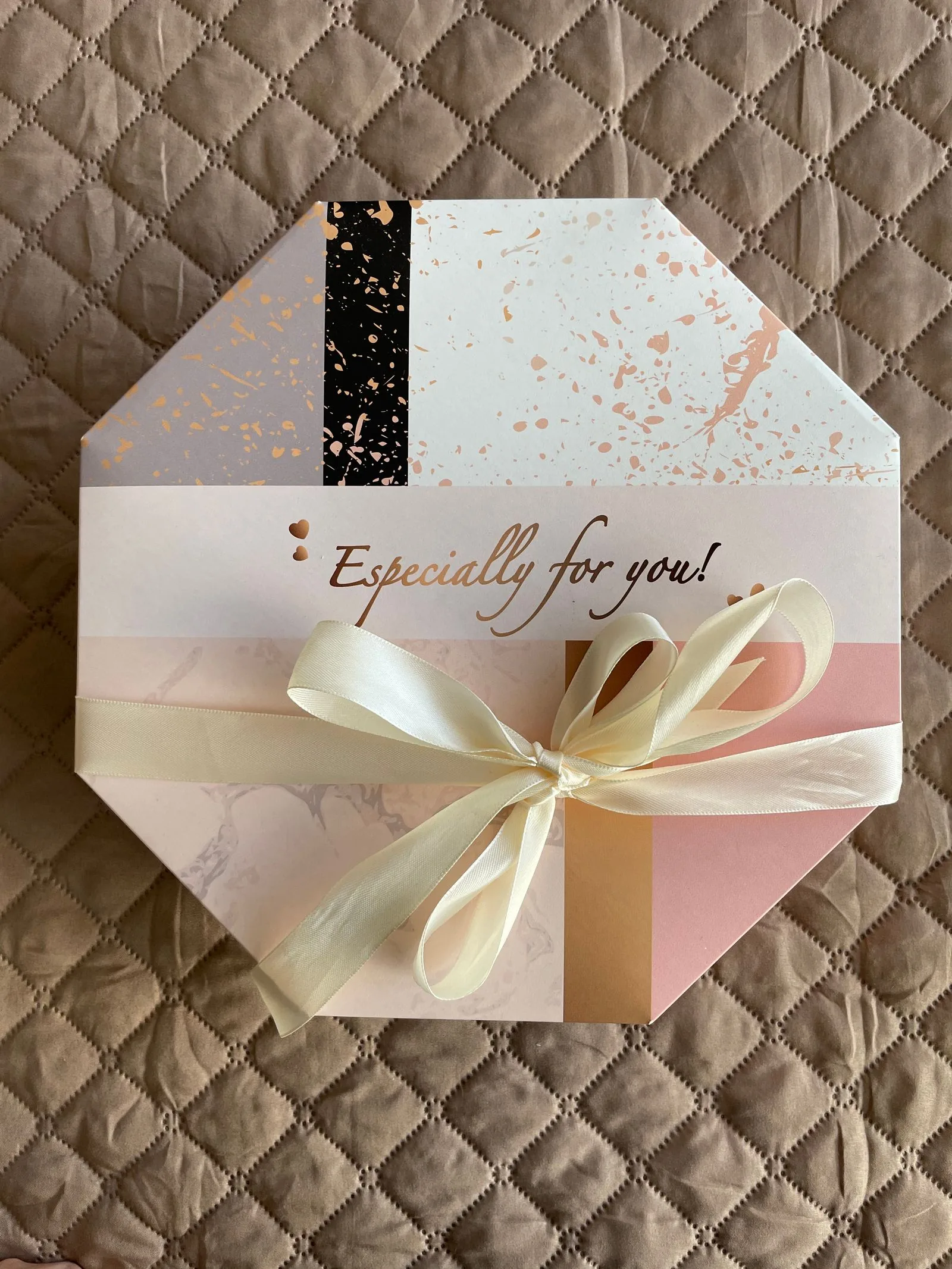
Match the stationer to your wedding: design-led stationers for a curated look, letterpress/foil houses for formal weddings (order weeks ahead), fast printers for big lists on a budget. Always order a physical sample first and buy 10% extra.
Invitations set the tone before anyone reads a word. The weight of the paper, the typeface, the color of the envelope and the way it's addressed all quietly tell guests what kind of day to expect — black-tie or backyard, formal or festival. Ordering online in the US now spans everything from dollar-a-card print-on-demand to premium letterpress houses charging more per invitation than some people spend on the whole suite, so the real question isn't which company is 'best' in the abstract — it's where your wedding sits on that scale, and which type of stationer matches it. Below we break down the options by the kind of wedding they suit, then cover the practical details that catch couples out.
Design-led online stationers
The sweet spot for most couples: template-based sites with genuinely tasteful designs, quality paper options and matching suites (save-the-dates, invitations, RSVP cards, details cards, thank-yous). You get a curated look without paying for bespoke design time.
- A coordinated invitation suite — invitation, RSVP and details card in one matching set — the tidiest way to look polished without a custom designer; watch the per-card total once envelopes and inserts are added.
- Upgraded paper and finishes — many design-led sites offer heavier card stock, painted edges or a spot of foil as add-ons — a small upgrade that lifts a template into something that feels considered.
- Matching day-of stationery — order menus, place cards and programs in the same design while you're there; consistency across the day reads as expensive even when it isn't.
Premium letterpress & foil houses
For formal weddings where the invitation is part of the experience, letterpress and foil are worth the spend and the wait. The tactile press of the type into thick cotton card is something no screen or digital print reproduces.
- Letterpress invitations on cotton card — deep-pressed type on heavy, soft stock — the gold standard for a formal or black-tie wedding, and a keepsake in its own right. Order well ahead; these are made slowly.
- Foil-pressed designs — gold, rose-gold or silver foil for a touch of glamour; stunning for evening and winter weddings, and photographs beautifully.
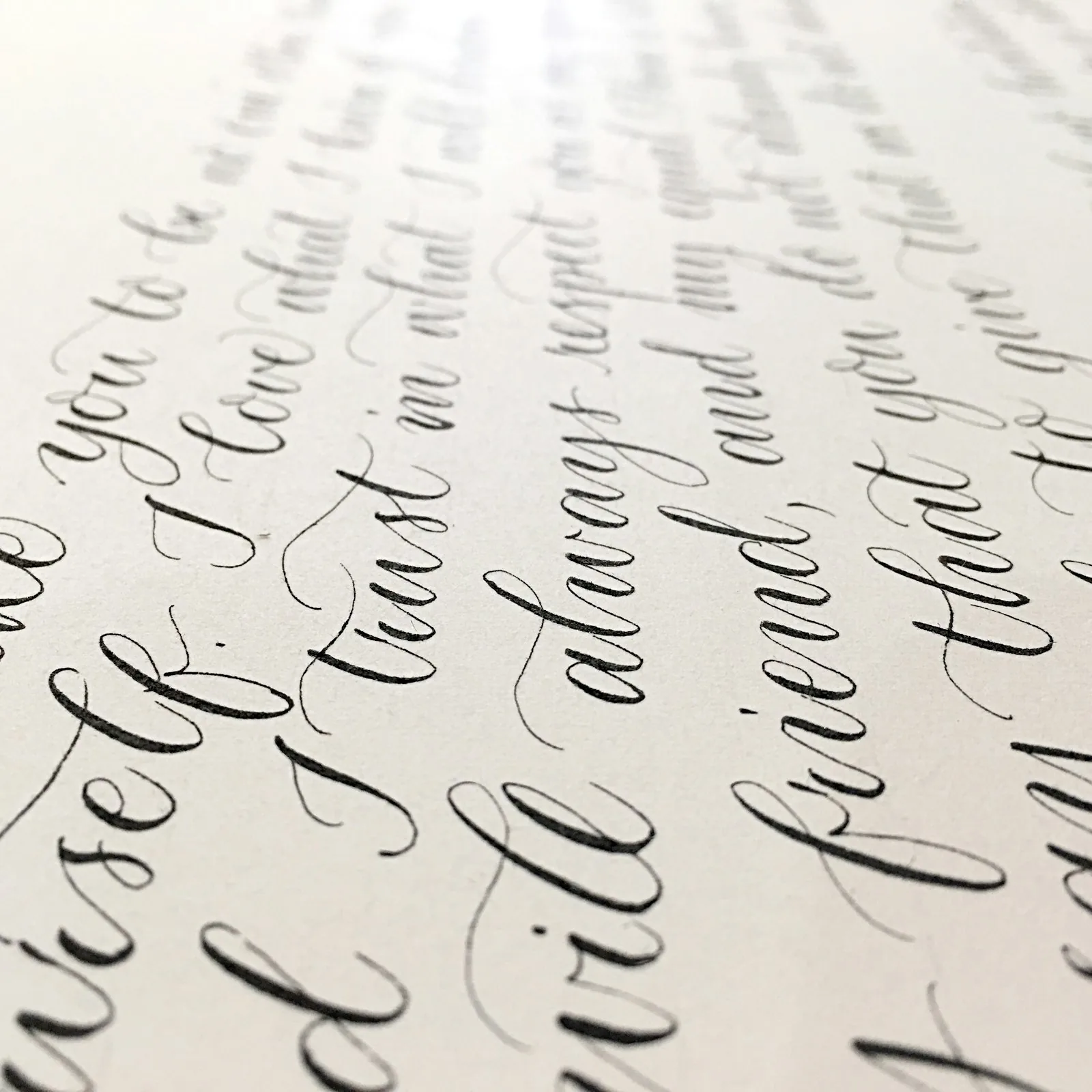
- Envelope liners and calligraphy addressing — the finishing touches that signal a formal day before the envelope is even opened; expensive per unit, but transformative on a small, formal guest list.
Fast, affordable printers
When the guest list is long or the budget is tight, high-volume online printers do a genuinely good job at a fraction of the price — especially for save-the-dates and on-the-day paper where nobody's inspecting the card stock.
- Budget save-the-dates — the cheapest place to send an early, cheerful heads-up; save the spend for the formal invitation that follows.
- Bulk on-the-day stationery — menus, table numbers, order-of-service and signage in volume, where cost-per-piece matters more than luxe paper.
- Photo save-the-dates and magnets — a warm, casual option using an engagement photo; kind to the budget and a fridge fixture guests actually keep.
The full stationery suite: what you actually need
Wedding stationery is more than the invitation itself, and ordering the whole suite from one place keeps everything visually consistent. Here's what a complete suite typically includes, so nothing catches you out at checkout.
- Save-the-dates — sent six to eight months ahead to lock in the date; casual in tone, and often where couples use an engagement photo.
- The main invitation — the centerpiece, setting the tone and the formality; this is where to spend on paper and printing if you're spending anywhere.
- An RSVP card or online reply — how guests respond and choose their meal; a return envelope for paper, or a link to your website for digital.
- A details or information card — directions, timings, dress code, accommodation and a website link — everything that clutters an invitation if you cram it on.
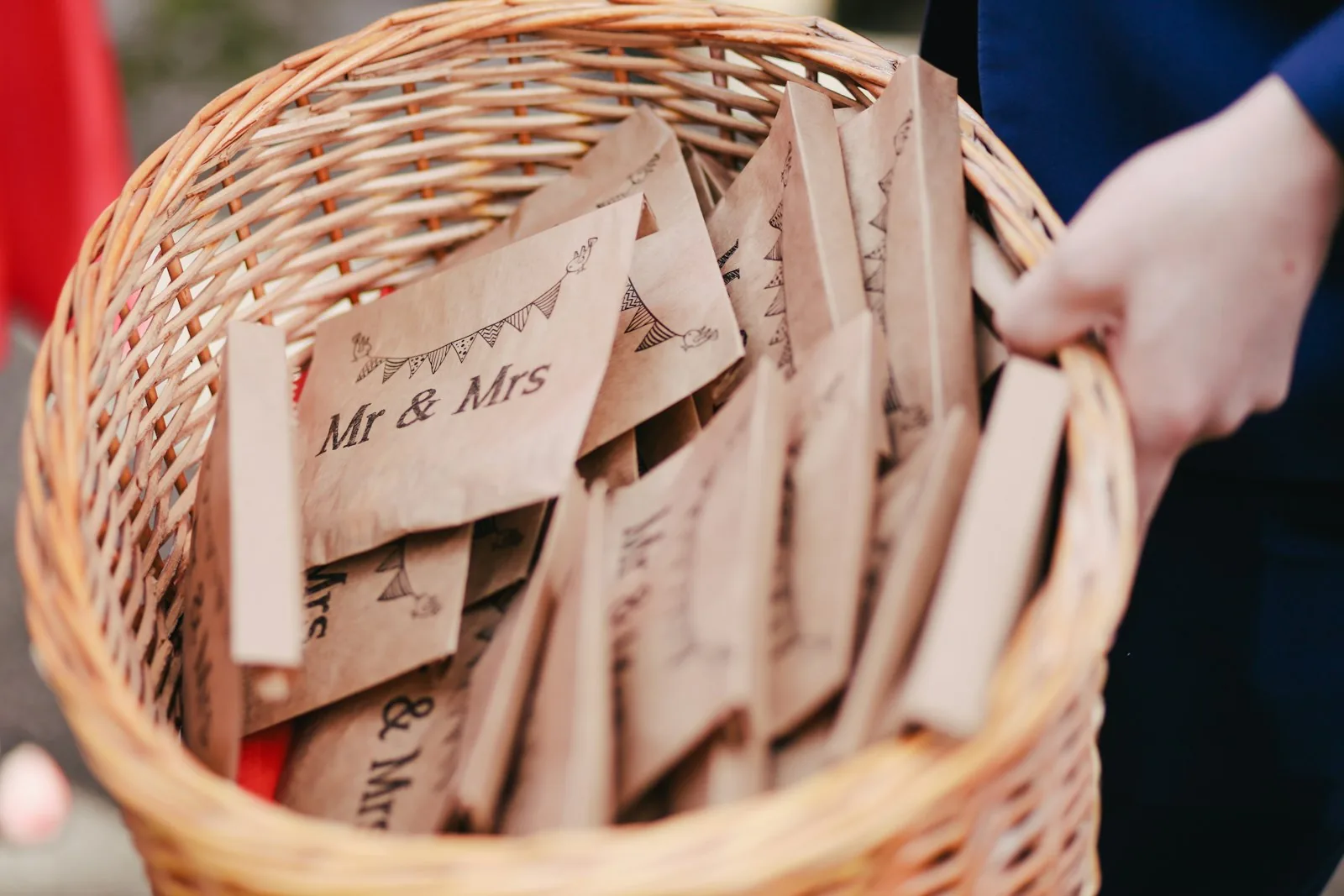
- Menus, programs and place cards — the on-the-day paper that ties the look together; order it in the same design while you're at it.
- Matching thank-you cards — order these upfront in the same suite so your correspondence bookends the day beautifully.
Digital & e-invite platforms
Once a faux pas, digital invitations are now entirely acceptable for casual, destination and second weddings — and they solve the RSVP-chasing problem in a way paper never could.
- An online invitation with RSVP tracking — invitations, guest replies and meal choices all in one dashboard; a huge relief for a big list or a destination wedding.
- A wedding website with a matching invite — pair a simple printed card with an online hub for details, directions and RSVPs — the modern hybrid most couples land on.
- Animated or video save-the-dates — a playful, low-cost way to announce a casual celebration; delivered by email or text, and easy to forward to plus-ones.
Timeline and budget
Stationery has a longer lead time than couples expect, and premium options need booking early. As a rough schedule: order save-the-dates around six to eight months out, and your main invitations three to four months before the day so you can mail them eight to twelve weeks ahead — earlier again for a destination wedding, where guests need runway to book flights. Letterpress and foil houses can need four to six weeks to produce and ship, so build that in.
On budget, plan for the whole suite rather than the headline per-card price. A single design-led invitation might read as $2, but once you add the RSVP card, details card, envelopes, liners and postage, the real cost per household can double. Digital and fast-print options keep the total low; letterpress, foil, custom illustration and calligraphy addressing push it up quickly. Decide where the wedding sits, spend the money on the main invitation, and economize on the save-the-dates and day-of paper where nobody's studying the card stock.
How to choose — and the details that catch people out
Start by matching the stationer to the wedding: design-led for a curated look on a normal budget, letterpress or foil for a formal day where the invitation is part of the show, fast printers for big lists and day-of paper, digital for casual and destination weddings. Then mind the practical traps that cost couples real money and stress:
- Order a physical sample first. Screens lie about color, weight and how a foil actually catches the light. One $5 sample pack saves an expensive regret.
- Order by household, then add 10%. Count invitations per couple or family, not per head, then buy roughly 10% extra for keepsakes, mistakes and last-minute additions — reprinting a handful later costs a fortune.
- Proofread names aloud, with someone else. The most expensive typo is the one you've read so often you no longer see it. Check dates, times, the venue address and every name out loud.
- Mind the postage. Square, thick or heavily embellished invitations often cost extra to mail; weigh a finished one before you buy stamps for the whole list.
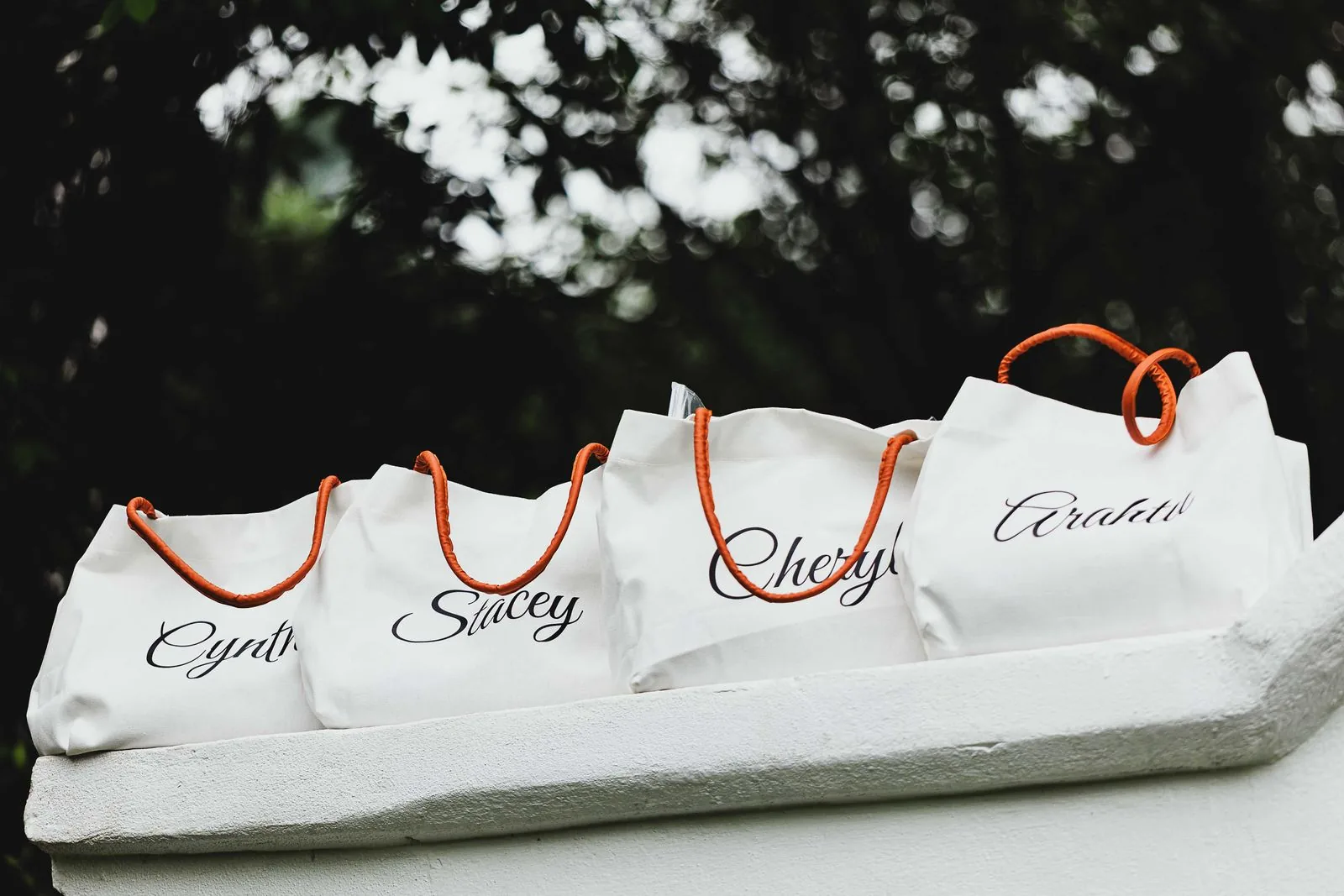
Send save-the-dates six to eight months ahead and formal invitations eight to twelve weeks before the day — earlier for a destination wedding. And once the invitations are away, turn your attention to the other end of the correspondence: see when to send wedding thank-you cards, and if you're still weighing the guest experience, our welcome bag ideas cover the arrival.