Wedding Table Centerpiece Ideas (Buy or DIY)
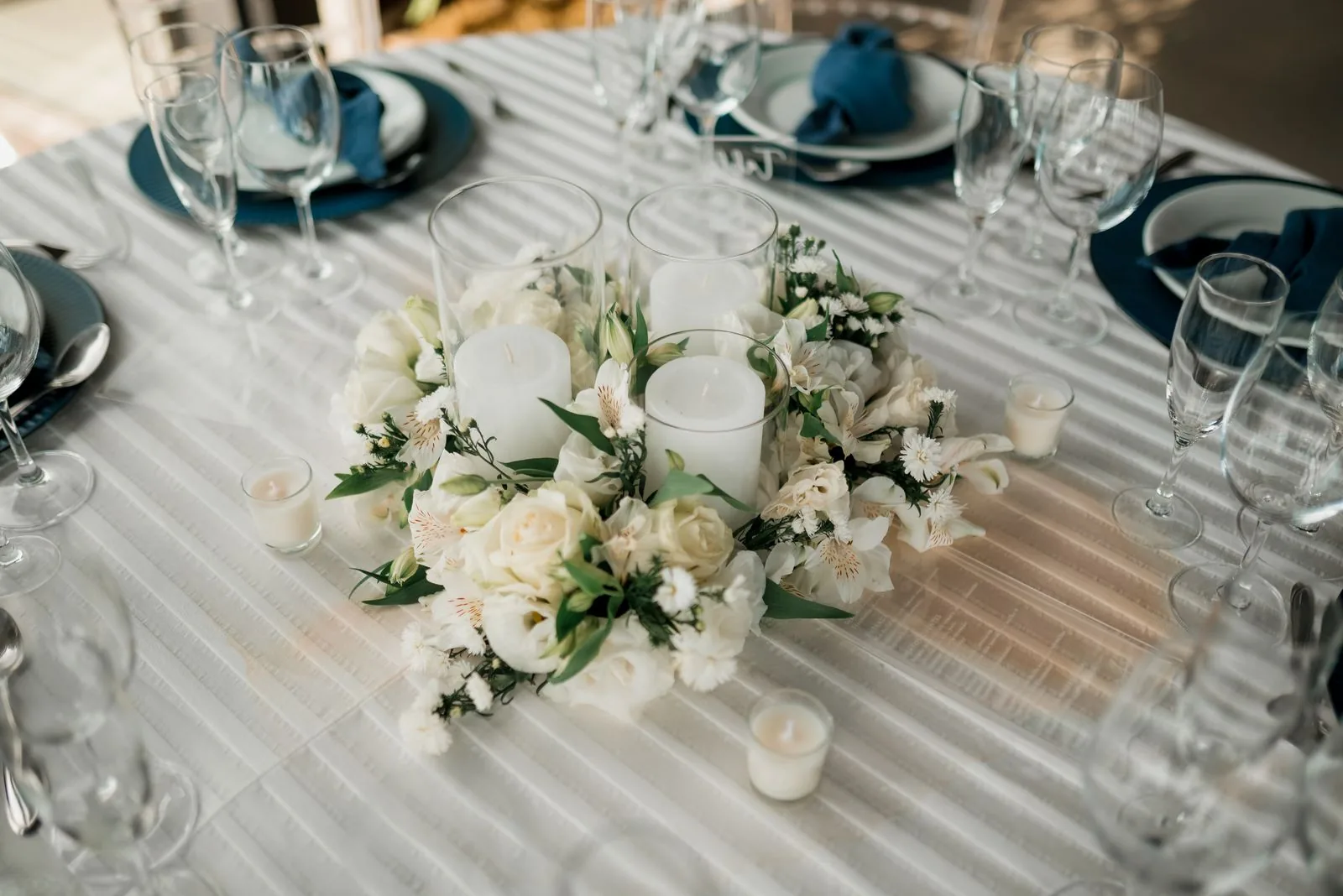
Pick one look and repeat it down the table for impact — florals, a candlescape, or a greenery runner. DIY saves money but costs time; hiring saves stress. Keep centerpieces low or tall-and-thin so guests can see across.
A great centerpiece scheme isn't about one showstopper on the top table — it's about a single coherent look repeated across every table in the room. Consistency is what reads as expensive and designed; a jumble of different arrangements reads as an afterthought, no matter how nice each one is on its own. So the first decision is the style, and the second is how much of it you're willing to make yourself. Below we cover the main centerpiece styles with real ideas for each, how to lean into the season, the finishing touches that frame the arrangement, the honest buy-versus-DIY breakdown, the height rule that saves every conversation at the table, the mistakes to sidestep, and roughly what it all costs.
Floral centerpieces
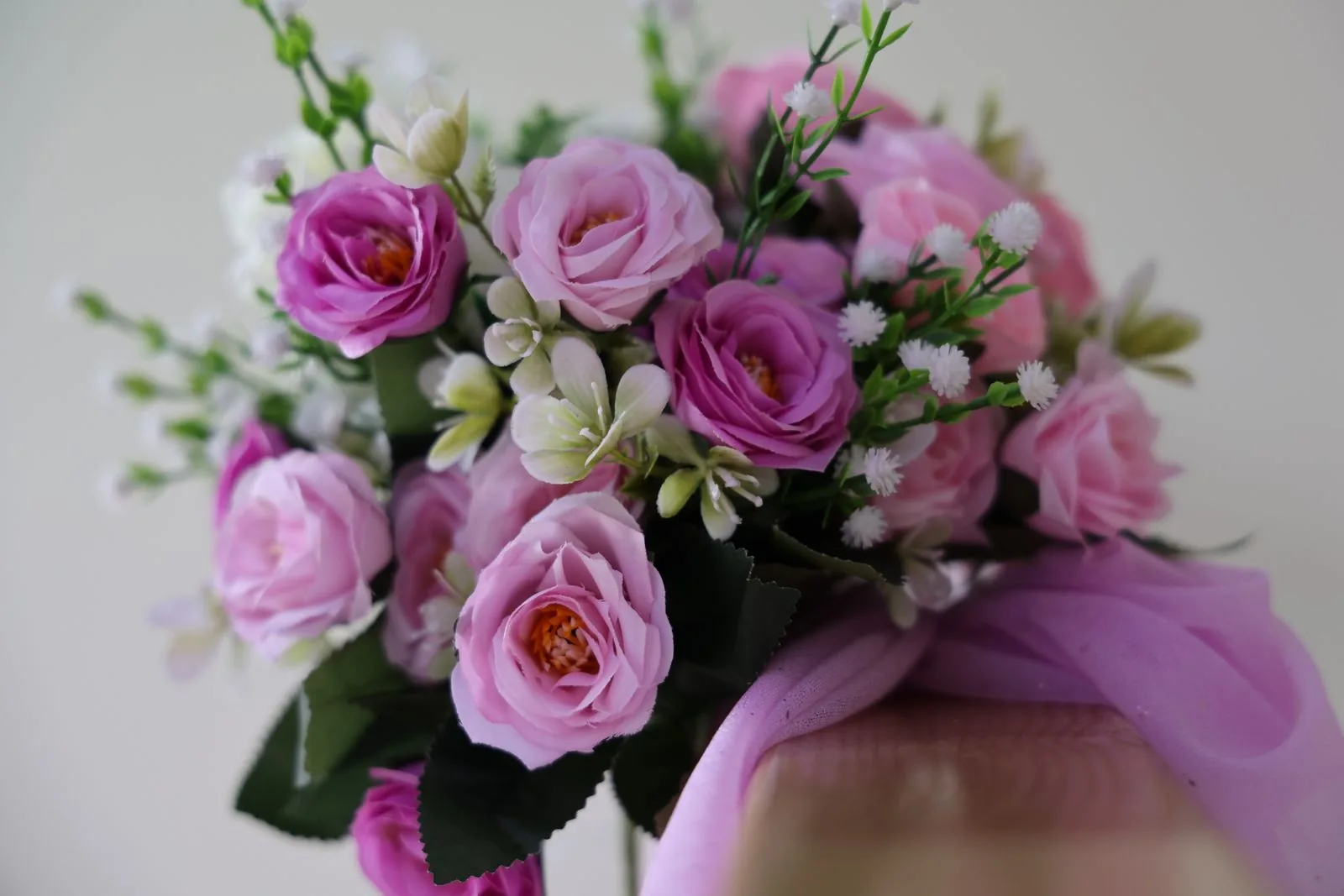
The classic, and still the most impactful. Flowers can run from a single stem in a bud vase to a lavish raised arrangement — the cost is entirely in the choice of bloom and the size.
- A low, loose arrangement — seasonal blooms in a compact bowl — the reliable, sightline-friendly classic; local and in-season flowers keep the cost sane.
- A tall footed vase or raised arrangement — dramatic height on a slim stand so guests still see across; the choice for a formal ballroom look.
- Bud vases in a cluster — a scattering of single stems in small vases — modern, budget-friendly and easy to assemble yourself.
Candles and greenery
The atmospheric, cost-effective route — and the one that consistently looks more expensive than it is. Perfect for couples who want warmth and glow over floral abundance.
- A candlescape — clusters of pillar and taper candles in glass holders and hurricanes — atmospheric, endlessly elegant and among the cheapest looks going. Check your venue allows open flame.
- A greenery runner — eucalyptus or foliage trailed down the center of the table with tealights tucked in; the modern, cost-effective favorite that fills a long table beautifully.
- Lanterns — weatherproof and reusable, lovely for a rustic or outdoor wedding, and doing double duty as ambient light after dark.
Non-floral and personal touches
You don't need flowers at all. Some of the most characterful tables lean on objects, texture or a personal theme instead — often at a fraction of the floral cost.
- Potted plants or herbs — living centerpieces that double as favors guests take home; charming, sustainable and useful long after.
- Fruit, books or curated objects — a stack of vintage books, a bowl of seasonal fruit, or objects that reflect the couple — inexpensive and full of personality.
- A table-number and detail moment — let a beautifully designed table number, a framed photo or a small themed vignette carry the center instead of a big arrangement.
Match the centerpiece to your wedding style
Before you pick flowers or candles, pin down the overall look — the centerpiece should feel like it belongs to the same wedding as the dress, the stationery and the venue. A few reliable directions:
- Rustic or barn — lanterns, wildflowers in jars, wooden slices and trailing greenery; relaxed, warm and forgiving of a DIY hand.
- Modern or minimalist — a single sculptural stem, clean glass, taper candles in slim holders and plenty of negative space; less is the whole point.
- Classic or formal — raised floral arrangements, silver or crystal, symmetrical settings — the ballroom look that reads as timeless.
- Boho or garden — loose, unstructured blooms, dried grasses, pampas and mixed vessels; romantic and deliberately imperfect.
- Coastal or destination — light, airy blooms, driftwood, shells used sparingly and lots of candlelight for the evening; keep it breezy, never kitsch.
Centerpieces by season
Letting the season lead is the cheapest route to a look that feels intentional — in-season flowers cost a fraction of imported blooms, and the right palette makes even a simple arrangement read as designed.
- Spring — tulips, ranunculus, blossom branches and soft pastels in low bowls; fresh, light and among the best-value flowers of the year.
- Summer — garden roses, peonies, wildflowers and trailing greenery — abundant and romantic, and the season when local blooms are cheapest.
- Fall — dahlias, deep-toned foliage, dried grasses and touches of amber or rust; candles come into their own as the light drops earlier.
- Winter — evergreen, eucalyptus, white blooms, pinecones and heavy candlelight; the season that most rewards a warm, glowing candlescape.
The finishing touches around the centerpiece
A centerpiece rarely stands alone — what surrounds it on the table is what pulls the look together and makes the whole scheme feel considered rather than plonked down.
- A runner or textured linen — a length of fabric, a greenery trail or a natural-linen runner grounds the arrangement and links the settings down the table.
- Scattered tealights and votives — a few small candles around the main piece add warmth and fill the gaps for very little money — check your venue allows open flame.
- Table numbers and place cards in the same style — tie the stationery to the centerpiece so the table reads as one designed moment, not separate parts.
- A few loose stems or petals — echo the centerpiece flowers lightly across the cloth to soften the whole table without extra arrangements.
Buy, hire or DIY?
Hiring a florist or buying finished arrangements saves stress and looks polished, but costs the most. Full DIY — buying the stems and building them yourself — saves real money if you have willing hands and a clear day before the wedding (and somewhere cool to keep flowers overnight). For most couples the sweet spot is a hybrid: hire or buy the vases and candles, DIY the greenery and the simpler arrangements. Whatever you choose, obey the one rule that matters at the table: keep every centerpiece either below eye line (roughly under 12 inches) or tall and slim on a narrow stand, never mid-height and bulky — anything that blocks sightlines kills the conversation across the table. Budget-wise, expect roughly $30–$150 per table: candles and greenery sit at the lower end, large floral arrangements at the top. Thinking about what guests take home too? See our wedding favors guide.
The mistakes to avoid
Most centerpiece regrets come down to a handful of predictable slips. Dodge these and even a modest budget looks polished.
- Mid-height and bulky: the cardinal sin — anything that sits right at eye line blocks the conversation across the table. Go low, or tall and slim.
- A different look on every table: repeat one coherent scheme; a patchwork of styles reads as an afterthought however pretty each piece is.
- Forgetting the scale of the table: a single small posy is lost on a long banquet trestle, while a huge arrangement swamps an intimate round. Match the piece to the table shape.
- Overpowering scent: heavily perfumed blooms like lilies compete with the food; keep strongly scented flowers away from where people eat.
- Leaving no room for the meal: account for plates, glasses and serving dishes so the centerpiece doesn't get shunted off the moment dinner arrives.
- Ignoring the venue's rules: check open-flame and candle policies before you build a candlescape you can't light.
- Peaking too early: flowers built the day before wilt under warm reception lighting; keep them cool overnight and set out as late as the venue allows.