What to Wear to a Wedding as a Guest (Without Upstaging Anyone)
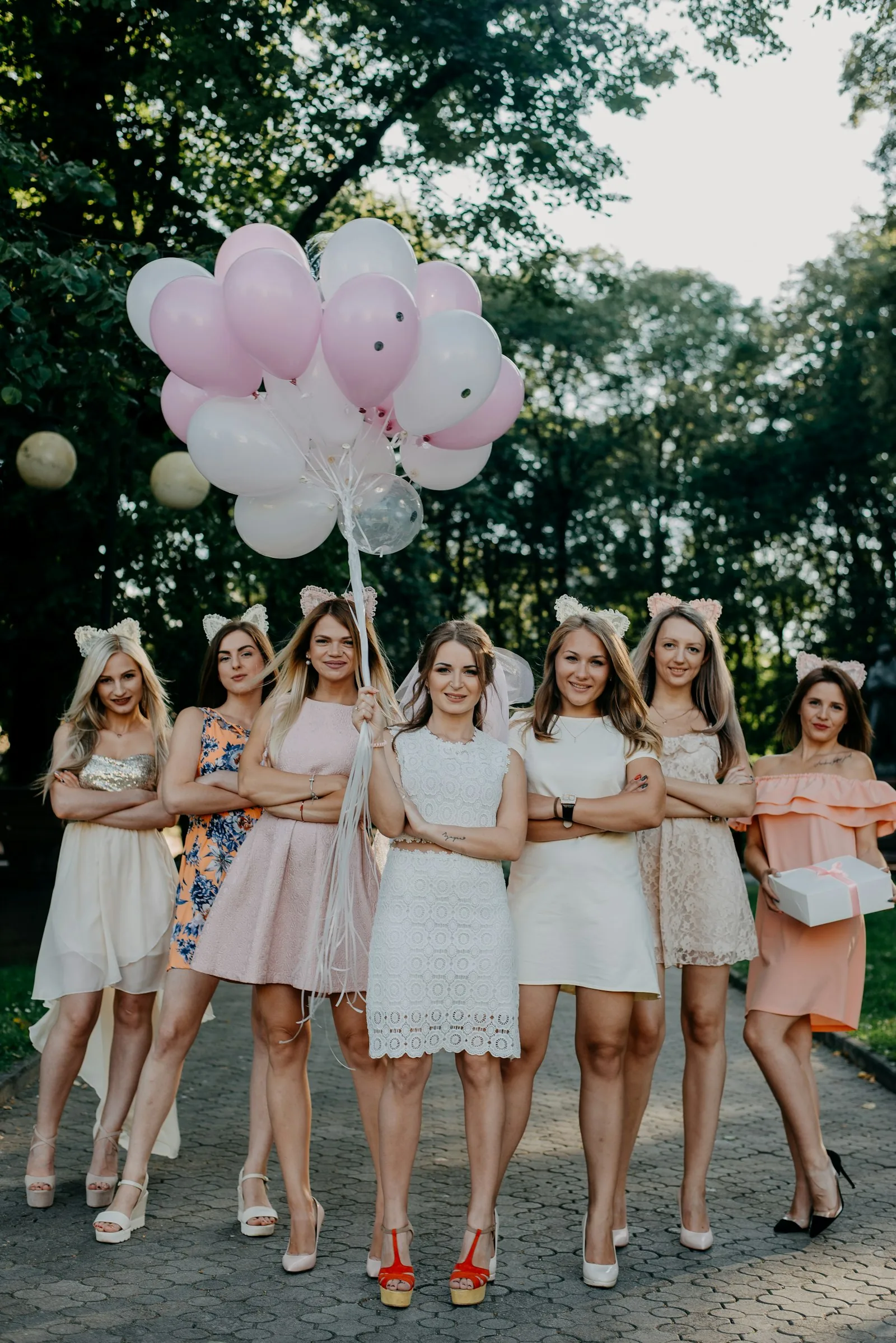
Decode the dress code first, avoid white/cream and anything too casual, and dress for the time of day — lighter for daytime, dressier after dark. One good outfit you can re-wear beats a single-use buy.
The safest wedding-guest outfit does three things at once: it respects the couple's dress code, it flatters you, and it doesn't try to steal the spotlight from the people getting married. Get those three right and the rest is detail — you're free to actually enjoy the day rather than fret about what you're wearing halfway through the ceremony. The trouble is that modern dress codes have multiplied, half of them are ambiguous, and the venue and the time of day matter as much as the words on the invitation. Below we decode the codes, give you a quick cheat sheet to glance at, cover the accessories and the pitfalls everyone forgets, walk through the trickier situations, and explain how to dress for the specific wedding you're going to.
The quick dress-code cheat sheet
If you only take one thing away, take this table. It translates each code into a plainer instruction you can shop against; the sections below add the nuance.
| Dress code | The safe read | Steer clear of |
|---|---|---|
| Black tie | Floor-length gown or dressy midi; tuxedo or very dark suit | Anything short, casual or daytime-looking |
| Black tie optional / formal | Long or elegant midi dress; dark suit and tie | Under-dressing — lean to the smarter option |
| Cocktail | Knee- or midi-length dress; suit and tie | Floor-length gowns and anything too casual |
| Semi-formal / dressy casual | Day dress or sport coat with tailored trousers | Jeans, sneakers, anything you'd wear to brunch |
| Smart casual | Summer dress, or chinos and a blazer | Shorts, tees, flip-flops — 'casual' still means effort |
| No code given | Dress one notch up from the venue's vibe | Guessing down; overdressed always beats under |
Decoding the dress code
The invitation usually tells you what's expected — you just have to translate it. Here's what each code actually means in practice for guests.
- Black tie: the most formal. A floor-length gown or a very dressy midi; men in a tuxedo, or a dark, well-cut suit at the least. Not the day for anything casual.
- Black tie optional / formal: a dressy long or midi dress, or elegant tailored separates; a dark suit and tie. Err towards the smarter reading.
- Cocktail: the most common code. A smart knee- or midi-length dress or elegant separates; a suit and tie. Dressy but not floor-length.
- Semi-formal / dressy casual: a nice day dress or a sport coat with tailored trousers; polished but relaxed.
- Smart casual: a summer dress, or chinos and a blazer — still make an effort; 'casual' at a wedding never means jeans.
- No code given: take your cue from the venue and dress one notch up from your instinct, never down. Overdressed is forgotten by dinner; underdressed is remembered.
Dressing for the venue and the season
The same code means different things at a beach at noon and a ballroom at seven. Read the setting as carefully as the wording.
- Time of day: lighter colors and fabrics for a daytime wedding; richer, dressier tones after dark.
- The venue: a barn, a beach or a garden calls for block heels or smart flats — stilettos and grass are a losing battle. A hotel or ballroom can take your dressiest option.
- The season: breathable fabrics and a fan for a summer wedding; a tasteful wrap, coat or layers for winter, so you're not shivering through the photos.
- The forecast: check it, and bring a backup layer. Nobody looks elegant soaked to the skin.
The rules everyone forgets
A handful of missteps trip up even well-dressed guests. Keep these in mind and you'll never be the person people quietly talk about.
- Never wear white, cream, ivory or champagne, or anything that photographs as bridal — this is the one unbreakable rule.
- Go easy on all-black at a daytime celebration unless the couple have said otherwise; it's widely accepted for formal evening weddings now, but can read as severe in a sunny garden.
- Don't upstage the wedding party — avoid heavily sequined, overly revealing or attention-grabbing looks that pull focus from the couple.
- Check whether you're clashing with the party colors if you know them, so you don't accidentally look like a stray bridesmaid.
- Choose something you can sit, eat and dance in — a dress you're fighting all day is a long day.
Accessories, shoes and the practical extras
The outfit is only half the job — the details are what make it look considered and, just as importantly, what get you comfortably through a twelve-hour day on your feet.
- Shoes for the terrain: block heels, wedges or smart flats for grass, gravel, sand or cobbles; save the stilettos for a ballroom floor. Pack fold-up flats for the dancing regardless.
- A layer you can add: a tasteful wrap, a smart jacket or a pashmina for a cool evening, an air-conditioned reception or a church with a covered-shoulders expectation.
- A small bag only: a clutch or a compact cross-body — phone, lipstick, a few essentials. Nobody wants a tote in the ceremony photos.
- Understated jewelry: let one piece do the talking. Save anything that competes with the wedding party for another day.
- An emergency kit: blister plasters, safety pins, a stain wipe and painkillers tucked in the clutch have rescued many a guest's afternoon.
Trickier situations, sorted
Some weddings come with an extra wrinkle. A few common ones and the sensible way to handle each:
- A destination or beach wedding: lighter fabrics and colors, flat or block-heeled sandals, and a sun-friendly layer — but still dressier than ordinary vacation wear. Read the invitation for a 'beach formal' steer.
- A religious or cultural ceremony: check whether shoulders, knees or heads need covering, and honor it without fuss; a wrap or a light jacket covers most requirements gracefully.
- A second or more relaxed wedding: take your cue from the couple's tone — often a touch less formal, but 'relaxed' still means you made an effort.
- Pregnancy or an in-between wardrobe moment: a stretchy midi in a forgiving fabric, or elegant separates you can size up, beat squeezing into something you'll fight all day.
- A multi-event weekend: plan the welcome drinks, ceremony and next-day brunch as a set, so you're not over- or under-dressed for any one of them.
Buy once, wear often
A versatile midi dress in a flattering, non-bridal color, or a good blazer and tailored trousers, earns its keep across many weddings — restyled with different accessories, nobody will clock that it's the same outfit twice. Buying one genuinely good piece you'll re-wear beats a single-use bargain every time, and it's kinder to both your wardrobe and your budget. Re-wearing to a wedding is completely fine, and always has been — the couple are looking at each other, not auditing your wardrobe. The only outfit worth retiring is the one you wore in another couple's photos if the same crowd will be at this wedding; beyond that, a good dress restyled is a smarter buy than a closet of single-wear bargains. Above all, remember the goal: look polished, feel comfortable, and let the couple be the ones everyone's looking at. Get that balance right and you'll spend the day enjoying the wedding instead of tugging at a hemline. Sorted on the outfit? Turn to the gift — our how much to spend guide has the amounts, and under-$50 gift ideas the objects.